
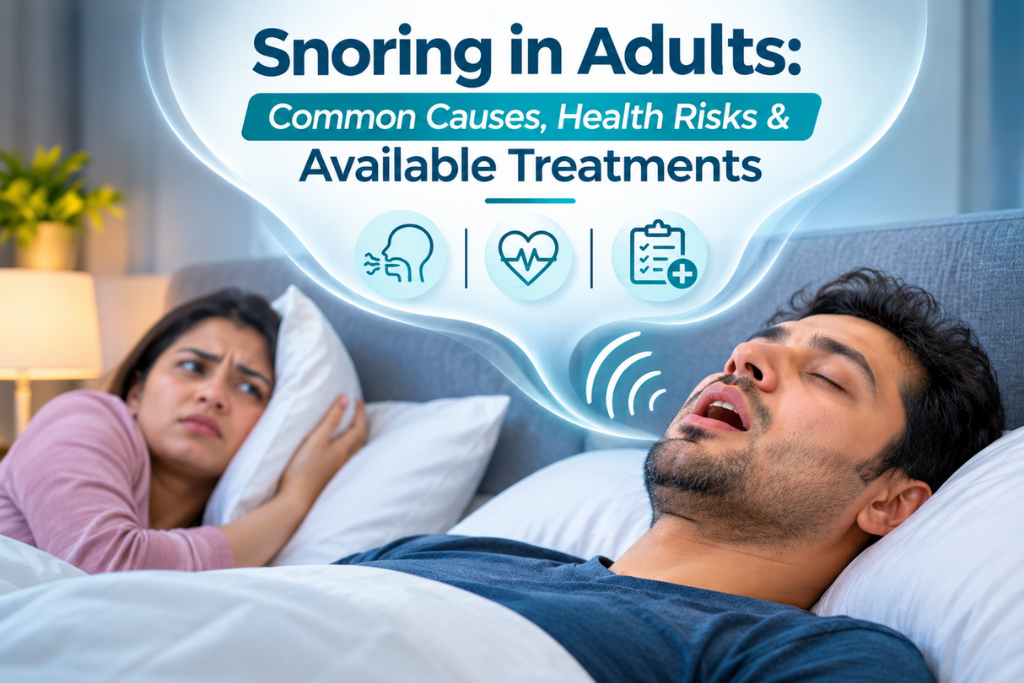
Snoring is a common experience for many individuals, but that doesn’t mean it should always be disregarded. For some it is a sound that is occasional after a tough day. For some it is a frequent problem which disrupts their sleep and disturbs everyone sharing the bedroom.
In adults, snoring develops when the movement of air causes the tissues in the throat and upper airway to vibrate during sleep. The sound can be a gentle noise or loud, persistent snoring that persists throughout the nite.
Snoring once in a while is generally innocuous, but loud, frequent snoring can occasionally be a sign of an underlying breathing issue called obstructive sleep apnea. Knowing why you snore can help you know when to see a doctor.
Why Do You Snore When You Sleep?
When you fall asleep, the muscles of your throat relax. This can constrict the upper airway and make surrounding tissues vibrate when air passes through. The more narrowed the airway becomes, the greater the likelihood of snoring.
There are several causes of snoring that can cause this difficulty.
1. Stuffy Nose and Nasal Congestion
Having a stuffy nose can make breathing difficult, particularly when you’re lying down. Nasal infections, allergies, larger nasal tissues and a deviated septum can all limit airflow. If you suffer from chronic nasal congestion, you may find that your snoring gets worse at nite.
2. Additional Body Weight
Extra tissue around the neck and throat might make the airway constricted during sleeping. This can raise the chances of snoring and obstructive sleep apnea. Weight control may benefit some but is not a substitute for a medical evaluation if sleep-related breathing difficulties are suspected.
3. Position for Sleeping
When you sleep on your back, soft tissue and the tongue may slide back into the throat. This can constrict the airway and make snoring louder. For some people, sleeping on their side is best.
4. Enlarged Tonsils or Other Structures of the Throat
Enlarged tonsils, a big soft palate or other anatomical features can take up space in the upper airway. An ENT professional can look at these structures and see if they are contributing to the chronic snoring.
5. Alcohol and Tranquilizers
Alcohol and certain sedatives can relax the muscles in your throat making your airway more likely to become narrower while you sleep. Reducing alcohol intake close to bedtime can help some people snore less.
Snoring: A Sign of Sleep Apnea?
Some people snore and do not have sleep apnea. However, loud, frequent snoring with pauses in breathing might be an essential warning indication.
Obstructive Sleep Apnea (OSA) is a condition in which the upper airway is periodically, partially or completely occluded during sleep. These interruptions can decrease amounts of oxygen and disrupt regular sleep patterns.
Typical warning signs of sleep apnea include:
- Snoring loudly and frequently.
- Sleeping partner notices pauses in breathing.
- Gasping or choking while sleeping.
- Waking up with a dry tongue or headache.
- Drowsiness during the day.
- Difficulty concentrating during the day.
If you have these symptoms, consult a health care professional for examination. If left untreated, sleep apnea can cause excessive blood pressure, cardiovascular difficulties and other health complications.
What Tests are Done to Diagnose the Cause of Snoring?
Identifying the cause of snoring is vital as the treatment varies for each individual. An ear, nose and throat doctor ENT Specialist in Delhi will look at your nose, throat, tonsils and other parts of the upper airway. The doctor may also ask about your sleep patterns, your medical history and any problems that your spouse has noticed.
If obstructive sleep apnea is suspected a sleep study may be recommended. This test measures breathing patterns, oxygen levels, and other vital measurements during sleep.
What are the Available Snoring Treatments?
There isn’t one treatment that’s right for all. The correct snoring treatment depends on whether the snoring is due to nasal obstruction, throat anatomy, sleep apnea or lifestyle factors.
Lifestyle Modifications
If you snore but don’t have any other problems, several changes in the way you live may assist. These include keeping a healthy weight, sleeping on your side, avoiding alcohol before bed and following a regular sleep pattern.
Nasal Obstruction Treatment
If nasal congestion, allergies or structural difficulties are causing the snoring, treatment may be aimed at optimizing nasal airflow. The ENT specialist will choose which course of treatment is best for you based on the diagnosis and may suggest medication or a surgical procedure.
Mouth Appliances
Some dental appliances can assist move the lower jaw and tongue into positions that keep the airway more open during sleep. These are utilized in selected people, especially patients with certain types of obstructive sleep apnea.
Treatment with CPAP
Obstructive sleep apnea is most typically treated with Continuous Positive Airway Pressure (CPAP). It uses a mask to provide pressurized air to keep the airway open during sleep.
Surgery for Snoring
In selected patients with anatomic anomalies that contribute to airway blockage, surgical treatment for snoring may be explored. The technique varies depending on the location and type of blockage. But surgery is not a blanket solution for those who snore and the merits need to be carefully considered.
When Should I See an ENT Specialist?
Occasional snoring does not necessarily necessitate medical attention. But you shouldn’t dismiss loud snoring that is chronic, breathing interruptions, overnight choking, inexplicable daytime tiredness or nasal blockage. An ENT doctor can assist evaluate your upper airway and decide whether you require further sleep evaluation or therapy.
Conclusion
Snoring could seem like a mere annoyance, but for some people loud snoring might be a sign of an airway condition. It is vital to look for related symptoms, especially pauses in breathing and daytime weariness. A good evaluation can help patients learn the reason for their snoring and the appropriate snoring treatment options to help them sleep better and more comfortably.
Consult Dr. Nayeem Ahmad Siddiqui
If you or your partner is experiencing loud snoring, breathing interruptions during sleep, or excessive daytime tiredness, consult Dr. Nayeem Ahmad Siddiqui, Senior Consultant ENT.
Early diagnosis can help identify the underlying cause of snoring and determine whether it is related to nasal blockage, throat abnormalities, or obstructive sleep apnea. Don’t ignore persistent snoring or breathing difficulties during sleep. Book an ENT consultation to discuss your symptoms and explore suitable treatment options for better sleep and breathing.
Also Read: Why Do You Feel Like a Blocked Ear? Causes, Symptoms & Treatment Options
Frequently Asked Questions
1. What Causes Adults to Start Snoring?
Suddenly snoring can be related to weight, nasal congestion, allergies, alcohol usage, medication or changes in airway health.
2. Is Snoring Bad for Your Health?
Snoring once in a while is usually not a cause for concern. But if your snoring is caused by obstructive sleep apnea, it may signal that you have repeated disruptions in breathing that can impact your general health.
3. Does a Blocked Nose Cause Snoring?
Yes. Airflow can be restricted by nasal congestion, and this can lead to mouth breathing, which can contribute to snoring.
4. Can an ENT Doctor Help Snoring?
Yes. An ENT specialist can evaluate your nose and throat, there if any abnormalities with the shape of your anatomy and suggest the right medicinal or surgical therapy if needed.
5. Is Surgery Usually Necessary for Snoring?
Nope. Many people respond better to lifestyle adjustments, treatment of nasal problems, oral appliances or CPAP therapy. Surgery is reserved for specific cases only.
Pingback: Persistent Hoarseness: Why Your Voice Isn’t Getting Better and When to Seek Help - drnayeemahmad